How to choose a tape
Most sourcing problems start with a tape chosen for the wrong condition rather than a tape of poor quality. Four points settle the shortlist before price is compared:
- The process or the finished part. Masking during coating, protecting a PCB during soldering, insulating a winding, marking a walkway and sealing a carton each need a different construction.
- The temperature actually seen. Peak temperature, time at that temperature and how the part cools matter more than a headline heat-resistance figure.
- The surface underneath. Bare metal, cured powder, painted panels, plastic, glass, concrete and PCB laminate all behave differently when the tape is removed.
- The removal condition. Removing hot, warm or fully cooled changes residue risk and the force needed. Leaving a tape on a part for weeks has a similar effect.
Tell us these four things and the suitable families can be narrowed down quickly, instead of quoting a dozen options that do not fit the process.
Supply formats
The same tape can be supplied in the form that suits your operation:
- Master rolls for converters and slitters that cut to their own widths.
- Slit rolls produced to the width, core size and roll length a machine or dispenser accepts.
- Sheets where a flat piece is applied by hand or fed into a press.
- Die-cut parts cut to a drawing: pads, spacers, gaskets, washers and masking shapes.
Where a roll has to run on a specific line, state the core size, maximum roll diameter and winding direction with the enquiry so the roll arrives ready to use.
Who we supply
Huixida supplies industrial adhesive tape to importers, distributors, stockists and converters who serve their own industrial customers. Typical buyers include:
- Distributors and stockists holding a range for local industrial accounts.
- Converters and die-cutters buying master rolls, laminated materials and double-sided tapes.
- Insulation and electronics material traders sourcing polyimide, polyester and glass cloth tapes.
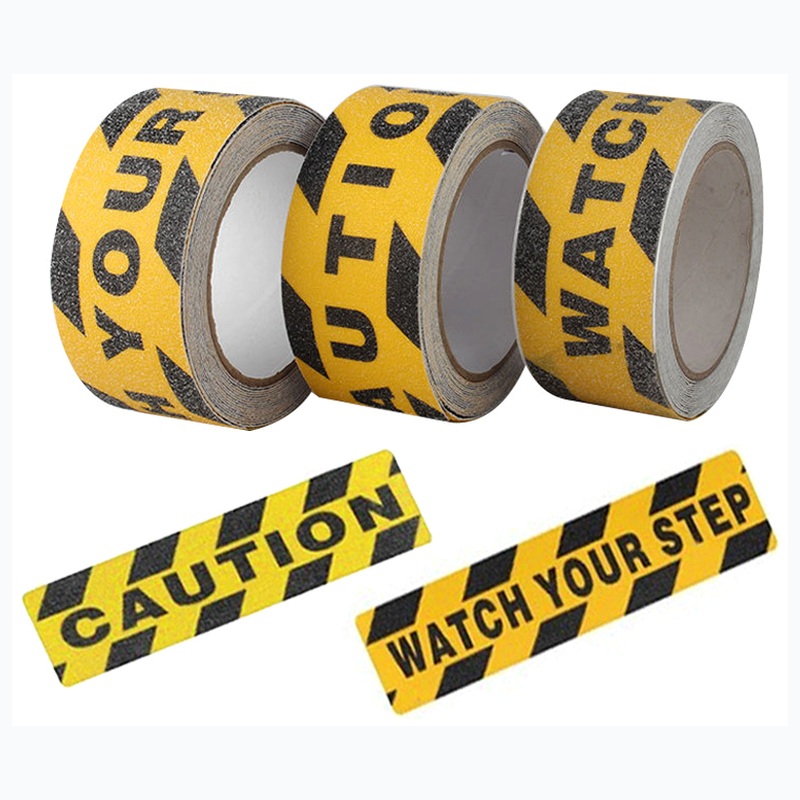
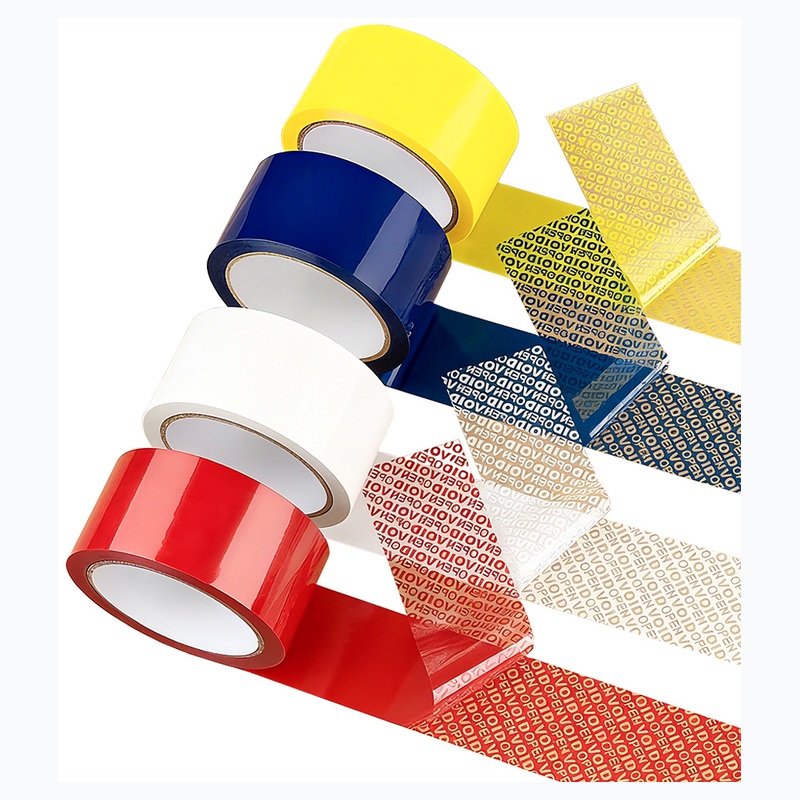
- Packaging and safety suppliers adding security, printed, anti-slip and floor marking tapes to their catalogue.
If you are buying for your own production rather than for resale or converting, tell us the application anyway — the right construction still depends on the process, not on the buyer type.
What to send for a quotation
A useful first enquiry includes:
- The application and the surface the tape touches.
- Working temperature and how long the tape stays on the part.
- Width, length, core size and format: master roll, slit roll, sheet or die-cut part.
- Estimated quantity per order or per month, and any drawing or artwork if relevant.
With those details we can reply with the constructions that fit the process, in the format you actually use, instead of a generic catalogue list.
Send your requirement