This group covers the tapes used inside a production process rather than at the end of it: masking a surface before coating, protecting gold fingers and connectors during soldering or reflow, holding parts during lamination, and splicing webs on coating or laminating lines. The common requirement is that the tape survives the process and then releases cleanly, without leaving adhesive behind or pulling the surface it protected.
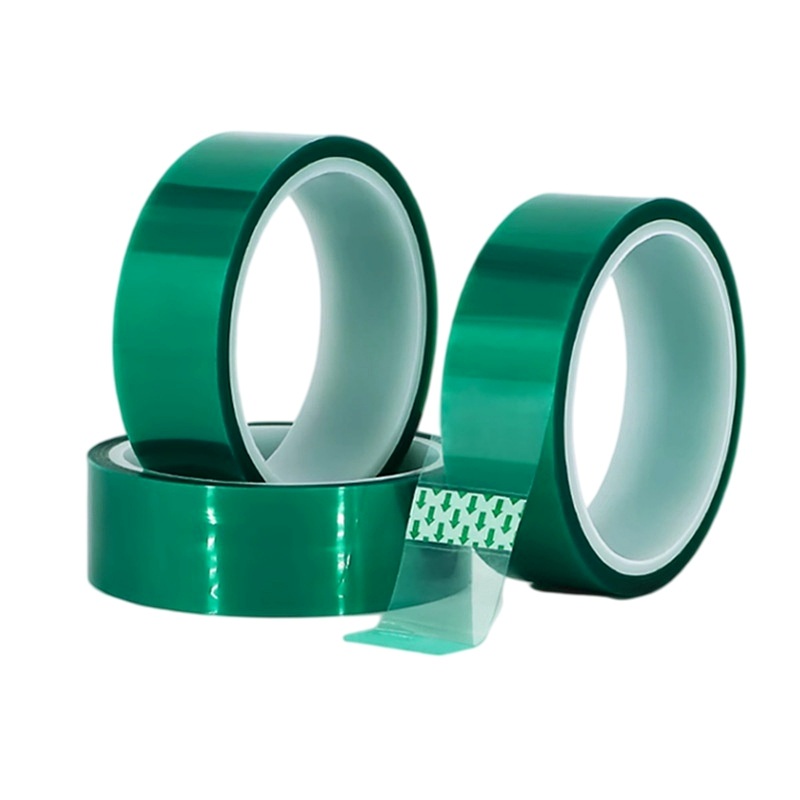
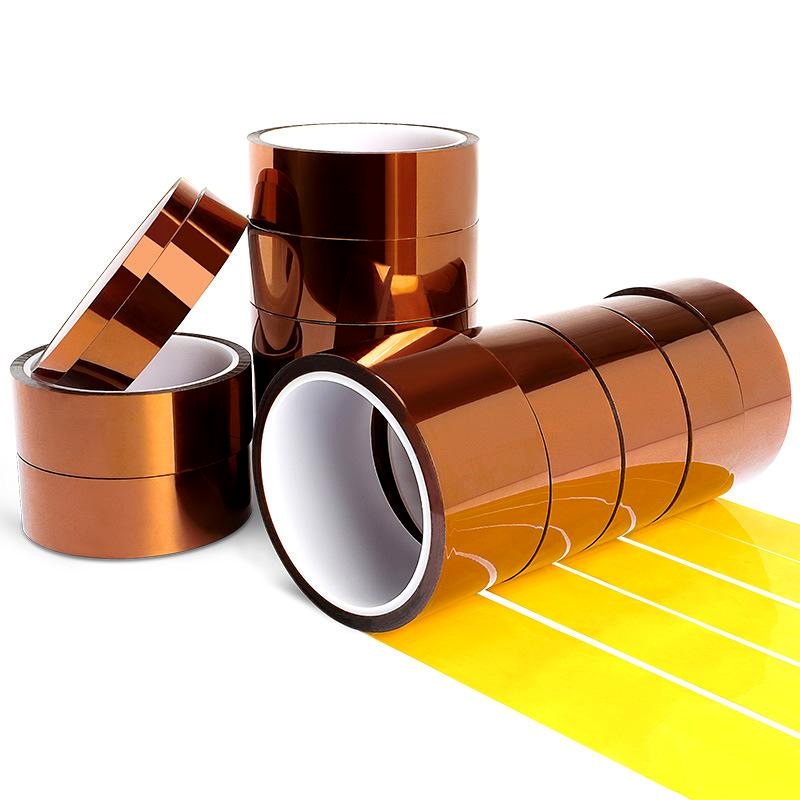
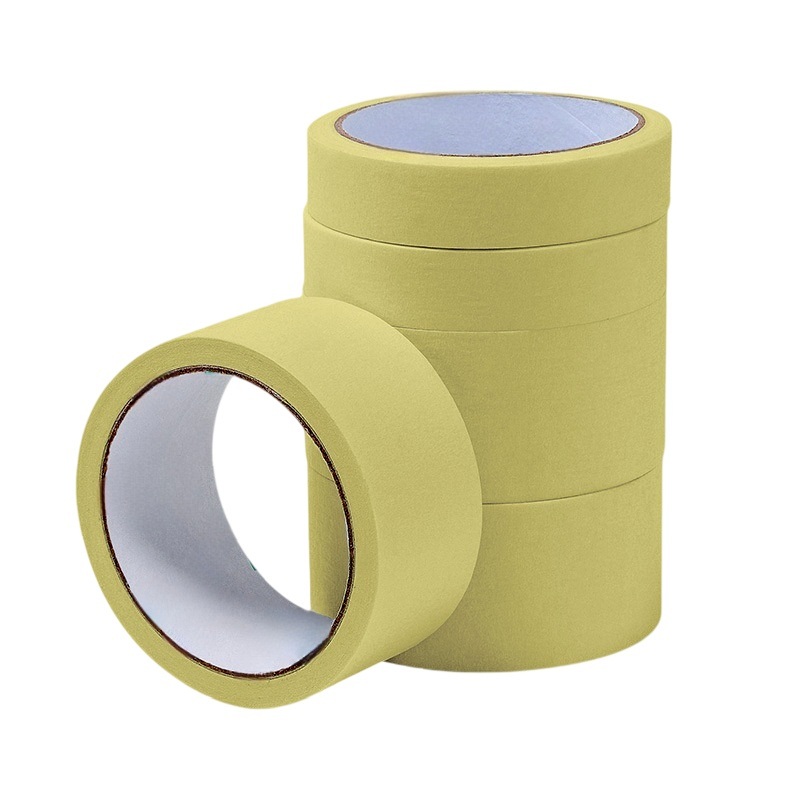
Three families are normally compared here. Polyester (PET) silicone tape is used for powder coating, painting and splicing where the tape has to resist oven exposure and still peel away in one piece. Polyimide (Kapton) tape is used where the masked area has to survive soldering, hot air or electrical stress. Masking tape for powder coating covers general painting and surface finishing work where the temperature is lower but the mask line has to stay sharp.
What decides the choice
Process temperature and dwell time. The temperature the tape actually sees on the part matters more than a nominal figure, and time at temperature counts as much as the peak.
Surface under the tape. Bare metal, cured powder, painted panels, anodised aluminium, PCB laminate and gold plating all release differently.
Mask line quality. Sharp edges and no creep under the tape matter most for two-tone coating, anodising and selective plating.
When it is removed. Removing hot, warm or fully cooled changes the adhesive residue risk and the force needed.
What happens next. A bake, a wash, a solvent wipe or a reflow cycle after removal can affect the part as much as the tape did.
Formats and converting
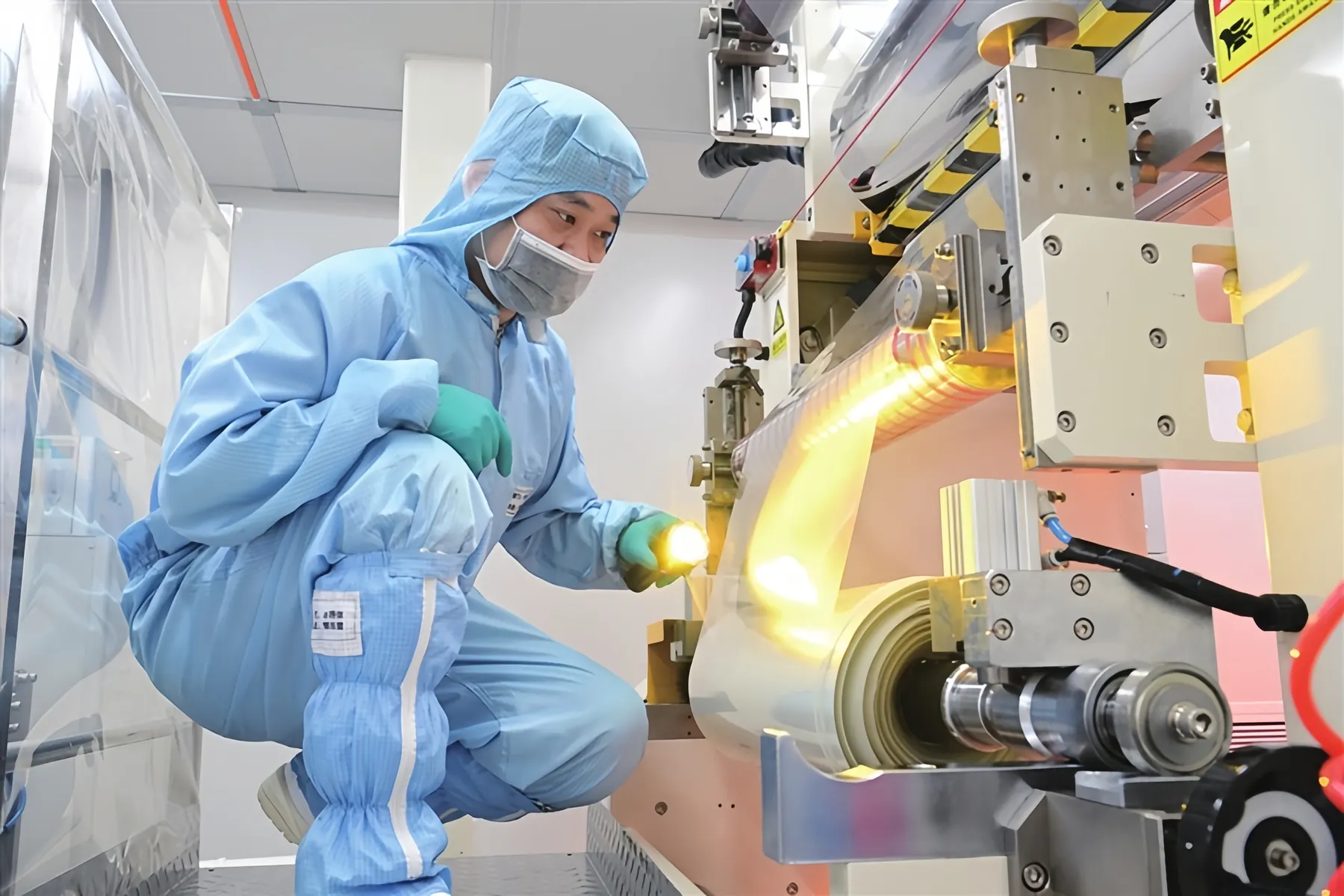
These tapes can be supplied as master rolls for converters, slit rolls to a required width, sheets, or die-cut parts and shapes cut to a drawing. Where the process needs a specific roll length, core size or a taped end for machine loading, that should be stated with the enquiry so the roll is built for the equipment rather than cut down afterwards.
What to send for a quotation
The process: powder coating, painting, PCB masking, splicing, lamination or another step.
The temperature curve: peak temperature, time at peak, and how the part is cooled.
The surface being masked and the mask line requirement.
Width, length and format: master roll, slit roll, sheet or die-cut part.
With those four points we can compare the constructions that fit and quote the widths and formats you actually use.
Can one tape cover both powder coating and PCB masking?
Sometimes, but not always. Powder coating needs a tape that releases cleanly from a coated surface after oven cure, while PCB masking needs a construction that survives soldering and leaves no residue on gold or solder mask. The same polyester or polyimide family may appear in both, but the adhesive and thickness are usually chosen differently for each process.
How do I avoid adhesive residue after removal?
The main factors are the adhesive chemistry, how long the tape stays on the part, the temperature it sees and how it is removed. Tell us the removal timing and the surface, and compare a trial roll on the actual part before committing to a production quantity.
Request a Quote
Inquiry type: Quotation request
If you have any questions, please do not hesitate to contact us.